The Role of Botanical Gardens in Modern Cities
Botanical gardens have long been a feature of urban landscapes, offering a blend of horticultural display, scientific study, and public recreation. In modern cities, these institutions serve multiple purposes that extend beyond aesthetic appeal. They act as reservoirs of plant diversity, centres for environmental education, and vital components of urban green infrastructure. As cities face challenges such as climate change, biodiversity loss, and increasing population density, the role of botanical gardens becomes more nuanced and significant.
This article explores how urban botanical gardens contribute to the fabric of modern cities. It examines their function as green spaces, their educational initiatives, and their support for local ecosystems. The discussion is framed within the context of the United Kingdom, where institutions like Kew Green exemplify the integration of horticulture, conservation, and community engagement. The aim is to provide a balanced overview of the processes and approaches that define these gardens, without asserting definitive outcomes or prescriptive recommendations.
Understanding the role of botanical gardens requires an appreciation of their historical evolution and contemporary adaptations. They are not merely static collections but dynamic entities that respond to environmental and social changes. By examining their contributions, we can better grasp how they might continue to serve cities in the future, subject to various external factors and local contexts.
Green Spaces and Urban Wellbeing
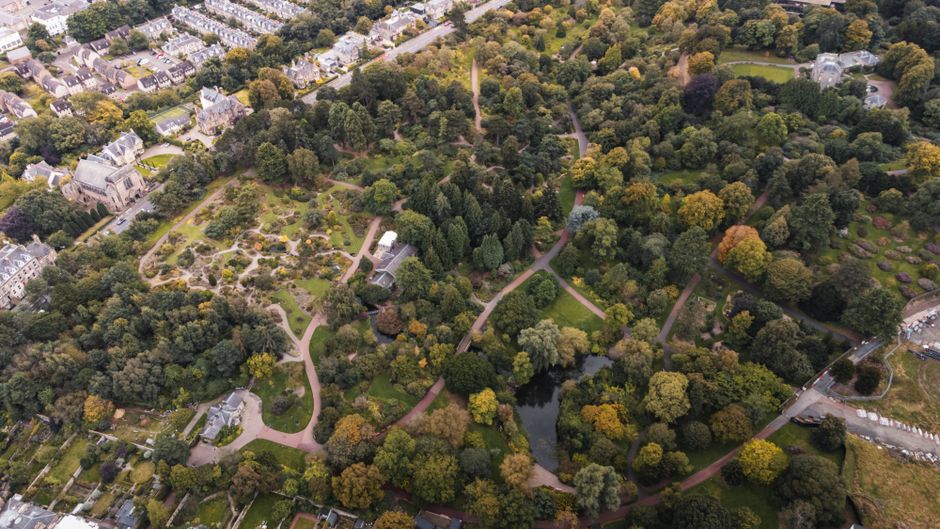
Urban botanical gardens provide accessible green spaces within densely built environments. These areas offer respite from the built environment, contributing to the physical and mental wellbeing of city dwellers. The presence of diverse plant collections, from trees and shrubs to herbaceous borders, creates a microclimate that can moderate urban heat and improve air quality. Such spaces also facilitate recreational activities, from walking and birdwatching to quiet contemplation, which are increasingly valued in crowded cities.
In the United Kingdom, many botanical gardens are located in or near city centres, making them easily reachable by public transport. For example, Kew Green, a name associated with horticultural excellence, represents a commitment to maintaining green spaces that are open to the public. These gardens often feature design elements such as water features, rockeries, and glasshouses, which enhance the visitor experience while supporting plant growth. The layout and management of these spaces are typically guided by principles of horticulture and landscape architecture, ensuring that they remain viable and attractive over time.
The provision of green space is not without challenges. Urban pressures such as development, pollution, and funding constraints can affect the maintenance and accessibility of botanical gardens. However, their role in promoting urban wellbeing is increasingly recognised in planning and policy discussions. By offering a connection to nature, these gardens can contribute to a sense of place and community cohesion, though the extent of these benefits depends on factors such as visitor numbers, management practices, and local demographics.
“Botanical gardens serve as living laboratories where the relationship between people and plants can be explored and understood.”
Education and Public Engagement
Education is a core function of modern botanical gardens. They provide formal and informal learning opportunities for visitors of all ages, from school groups to adult learners. Programmes may include guided tours, workshops, lectures, and hands-on activities that cover topics such as plant biology, ecology, horticulture, and sustainability. These initiatives aim to increase plant literacy and environmental awareness, fostering a deeper appreciation for the natural world.
In the United Kingdom, botanical gardens often collaborate with schools, universities, and community organisations to deliver educational content. Kew Green, for instance, is associated with educational outreach that emphasises the importance of plants in everyday life. Such programmes may be tailored to different audiences, using interpretive signage, digital resources, and interactive displays. The goal is to make scientific knowledge accessible and relevant, without oversimplifying complex concepts.
Public engagement extends beyond structured education. Gardens may host events such as plant fairs, art exhibitions, and seasonal festivals, which attract diverse audiences and encourage repeat visits. These activities can support fundraising and volunteer recruitment, contributing to the financial sustainability of the institution. However, the success of educational and engagement efforts depends on various factors, including staff expertise, funding availability, and community interest.
It is important to note that while botanical gardens strive to educate, they do not replace formal education or professional horticultural advice. Instead, they complement other sources of information, providing experiential learning that can inspire further inquiry. The impact of these programmes is often measured through visitor feedback and participation rates, though long-term educational outcomes are influenced by many external variables.
Supporting Local Ecosystems
Botanical gardens play a role in supporting local ecosystems through conservation, research, and habitat management. Many gardens maintain collections of native plants, which can serve as refugia for local wildlife such as insects, birds, and small mammals. These plantings may be designed to mimic natural habitats, providing food and shelter for species that might otherwise struggle in urban environments. In some cases, gardens participate in seed banks and propagation programmes aimed at preserving rare or endangered species.
In the UK context, botanical gardens often work alongside conservation organisations and local authorities to enhance biodiversity. Kew Green, for example, may engage in practices that promote ecological connectivity, such as creating wildlife corridors or managing green roofs. These efforts are informed by ecological principles and aim to integrate the garden into the wider urban landscape. Research conducted at botanical gardens can also contribute to understanding of plant physiology, pest resistance, and climate adaptation, which may have applications beyond the garden walls.
However, the capacity of botanical gardens to support ecosystems is constrained by factors such as space, resources, and competing land uses. Their contributions are part of a broader network of green infrastructure, including parks, gardens, and natural reserves. The effectiveness of these efforts is contingent on coordinated planning and ongoing monitoring, as ecological outcomes are influenced by numerous variables including climate, pollution, and land management practices.
Challenges and Adaptive Management
Modern botanical gardens face a range of challenges that require adaptive management approaches. Climate change can affect plant health, water availability, and pest dynamics, necessitating adjustments in planting schemes and irrigation systems. Urban development pressures may threaten garden expansion or lead to increased visitor numbers that strain facilities. Funding constraints can impact staffing, maintenance, and the scope of educational programmes.
To address these challenges, gardens may adopt strategies such as diversification of funding sources, use of sustainable technologies, and partnerships with academic and corporate entities. Kew Green, like other institutions, may employ integrated pest management, water conservation measures, and energy-efficient infrastructure. These approaches are not prescriptive but are part of a continuous process of evaluation and improvement.
Adaptive management involves monitoring and responding to change, rather than adhering to fixed plans. It requires flexibility, collaboration, and a willingness to learn from both successes and setbacks. The resilience of botanical gardens in modern cities depends on their ability to balance multiple objectives while remaining true to their core mission of plant conservation and public service.
Future Directions and Considerations
The future role of botanical gardens in modern cities is likely to evolve in response to environmental, social, and technological trends. They may become more integrated into urban planning as providers of ecosystem services, such as stormwater management and carbon sequestration. Advances in technology could enable more efficient propagation, interpretation, and outreach, while also raising questions about the balance between tradition and innovation.
Public expectations may shift, with greater emphasis on sustainability, inclusivity, and transparency. Botanical gardens might expand their educational offerings to include online resources, citizen science projects, and community gardening initiatives. Kew Green and similar institutions could play a part in these developments, though the direction and pace of change will depend on a variety of factors, including policy frameworks, funding, and societal priorities.
Ultimately, the role of botanical gardens in modern cities is multifaceted and dynamic. They provide green spaces, educate the public, and support local ecosystems, but their contributions are shaped by context and constrained by resources. By understanding these processes, stakeholders can make informed decisions about the future of these valuable urban assets.