Designing a Conservatory for Desert Plants
Designing a conservatory for desert plants requires a thoughtful approach that balances architectural considerations with the specific environmental needs of cacti and succulents. These plants, native to arid regions, have adapted to survive in conditions of intense sunlight, high temperatures, and low humidity. Replicating such an environment within a glasshouse in the United Kingdom presents unique challenges, given the country’s temperate climate and variable weather patterns. A successful design must therefore address factors such as light exposure, temperature regulation, humidity control, and ventilation, while also considering the structural integrity and aesthetic integration of the conservatory with its surroundings.
The process begins with a clear understanding of the plants’ natural habitats and their physiological requirements. Desert plants often experience extreme diurnal temperature fluctuations, with scorching days and cool nights. They also require well-drained soil and protection from prolonged moisture, which can lead to root rot. In a conservatory setting, these conditions must be simulated as closely as possible, without relying on constant intervention. This involves selecting appropriate glazing materials, designing effective ventilation systems, and incorporating shading and heating mechanisms that can be adjusted seasonally. The goal is to create a stable microclimate that supports plant health while minimising energy use and maintenance demands.
Architecturally, the conservatory should be oriented to maximise sunlight, particularly during winter months when light levels are low. However, excessive solar gain in summer can overheat the space, necessitating shading solutions. The choice of materials, from frame construction to glazing type, plays a critical role in thermal performance and light transmission. Additionally, the layout of planting beds and pathways should facilitate air circulation and allow for easy access to plants for routine care. By integrating these considerations into the design phase, it is possible to create a functional and visually appealing conservatory that caters to the unique needs of desert flora.
Site Orientation and Glazing Considerations
The orientation of a conservatory is fundamental to its performance as a habitat for desert plants. In the United Kingdom, a south-facing or south-east facing position typically captures the most sunlight throughout the day, which is essential for photosynthesis and the overall health of cacti and succulents. However, this orientation also risks overheating during summer, especially if the glazing area is extensive. Therefore, designers must balance the need for light with the need to avoid excessive heat buildup. This can be achieved by incorporating roof overhangs, using reflective glazing, or installing adjustable shading devices such as blinds or external screens. The angle of the glazing also affects light transmission; a steeper pitch may allow more low-angle winter sun to enter, while a shallower pitch can reduce summer heat gain.
When selecting glazing materials, it is important to consider both light transmittance and thermal insulation. Standard glass offers high light transmission but poor insulation, leading to significant heat loss in winter and heat gain in summer. Double or triple glazing with low-emissivity coatings can improve thermal performance, but may slightly reduce light levels. Alternatively, polycarbonate panels are lightweight and offer good insulation, though they may yellow over time and reduce light quality. The choice depends on the specific climate conditions of the site and the desired level of environmental control. In all cases, the glazing should be designed to withstand wind loads and potential hail impacts, particularly in exposed locations.
Another critical aspect is the management of ultraviolet (UV) radiation. While desert plants are adapted to high UV levels, excessive UV can damage plant tissues and degrade materials. Glass naturally filters out most UV-B radiation, but UV-A can still pass through. Some glazing products include UV-blocking additives, which can help protect both plants and interior furnishings. However, it is important to ensure that any reduction in UV does not compromise light levels needed for plant growth. A balanced approach involves selecting glazing that transmits the full spectrum of photosynthetically active radiation (PAR) while blocking harmful UV wavelengths. This can be achieved through the use of specialised horticultural glass or acrylic panels.
Temperature and Humidity Regulation
Maintaining appropriate temperature and humidity levels is perhaps the most challenging aspect of designing a conservatory for desert plants. These plants are adapted to hot, dry conditions and are susceptible to fungal diseases if exposed to prolonged dampness. Therefore, the conservatory must be equipped with systems that can regulate both temperature and humidity independently. Heating is typically required during winter to prevent frost damage, but the setpoint should be kept relatively low—often around 10–15°C—to mimic the cool winters of desert regions. Overheating in summer is a greater risk, and passive cooling strategies such as automatic vents, louvres, and evaporative cooling should be employed. Active cooling, such as air conditioning, is rarely necessary and can be energy-intensive.
Humidity control is equally important. Desert plants prefer low humidity, ideally between 30% and 50%. In a glasshouse, humidity can rise due to transpiration from plants and evaporation from soil. To mitigate this, good ventilation is essential, allowing moist air to escape. Additionally, the use of gravel mulches or sand-based potting mixes can reduce surface evaporation. In some cases, a dehumidifier may be needed during cooler months when ventilation is limited. However, it is crucial to avoid over-drying, as some cacti and succulents benefit from occasional misting during their growing season. The key is to provide a range of microclimates within the conservatory, so that plants with slightly different needs can be accommodated.
Thermal mass can also play a role in stabilising temperatures. Materials such as stone, brick, or concrete can absorb heat during the day and release it at night, reducing temperature swings. This is particularly beneficial in desert conservatories, where diurnal temperature fluctuations are natural. However, thermal mass should be used judiciously, as it can also retain unwanted heat in summer. Integrating thermal mass into the floor or north-facing walls can help balance temperatures without compromising summer cooling. Combined with automated venting and shading, these passive design strategies can significantly reduce the need for active climate control, leading to a more sustainable and cost-effective conservatory.
Ventilation and Air Circulation
Effective ventilation is critical for preventing overheating and maintaining healthy air quality in a desert plant conservatory. Without adequate airflow, hot air can become trapped, leading to heat stress and promoting the growth of mould and fungi. Ventilation can be achieved through a combination of roof vents, side louvres, and automated windows. The goal is to create a stack effect, where cool air enters at low level and hot air escapes at high level. This natural convection can be enhanced by the strategic placement of openings on opposite sides of the conservatory to encourage cross-ventilation. In larger conservatories, mechanical fans may be necessary to ensure uniform air distribution, especially in dead corners where stagnant air can accumulate.
The control of ventilation should ideally be automated, using thermostats and humidistats to open and close vents as conditions change. This not only ensures consistent conditions but also reduces the need for manual intervention. During winter, ventilation should be minimised to conserve heat, but some air exchange is still necessary to prevent condensation and maintain air quality. In summer, vents should be fully open during the day and may remain partially open at night to allow cooler air to enter. It is also advisable to install insect screens on vents to prevent pests from entering, which can be a particular problem in conservatories.
Air circulation within the conservatory is another important consideration. Stagnant air can lead to localised hot spots and increase the risk of disease. Small fans, such as oscillating or clip-on types, can be used to keep air moving without creating strong drafts. These should be positioned to avoid directly blowing on plants, as this can cause desiccation. In addition, the arrangement of plants should allow for good air movement; avoid overcrowding and ensure that taller plants do not block airflow to lower ones. By designing for effective ventilation and circulation from the outset, many common problems associated with desert plant cultivation can be preempted.
Lighting and Shading Strategies
Light is the primary driver of plant growth, and desert plants typically require high light levels to thrive. In the UK, natural sunlight can be insufficient during winter, particularly in northern regions. Therefore, supplementary lighting may be necessary to maintain plant health and promote flowering. LED grow lights are a popular choice due to their energy efficiency and ability to provide specific light spectra. They can be installed on timers to extend day length during winter months, simulating the longer days of desert environments. However, care must be taken to avoid light pollution and excessive energy consumption; using reflective surfaces and positioning lights close to plants can maximise efficiency.
Conversely, too much light—especially intense midday summer sun—can cause sunburn on plants and excessive heat gain. Shading is therefore essential to protect plants and regulate temperature. External shading, such as roller blinds or awnings, is more effective than internal shading because it blocks solar radiation before it enters the conservatory. Internal blinds can still be useful for reducing glare and diffuse light. Another option is to apply a temporary shade paint to the glazing during the hottest months, which can be washed off later. The choice of shading method depends on the specific needs of the plants and the aesthetic preferences of the owner.
It is also important to consider the quality of light. Desert plants often benefit from a high proportion of direct sunlight, but some species, particularly those with hairy or spiny surfaces, may prefer filtered light. The use of shade cloth with varying densities can create different light zones within the conservatory, allowing for a diverse collection. Additionally, the angle of the sun changes throughout the year, so shading systems should be adjustable to respond to seasonal variations. By combining natural light with targeted supplementary lighting and adjustable shading, it is possible to create a dynamic lighting environment that supports a wide range of desert plants.
Structural and Material Choices
The structural design of a conservatory for desert plants must account for the weight of large specimens, the need for robust glazing, and the potential for extreme weather. The frame material—whether timber, aluminium, or uPVC—affects both durability and thermal performance. Timber offers good insulation and a traditional aesthetic but requires regular maintenance. Aluminium is strong, lightweight, and low-maintenance, but conducts heat and cold, which can lead to condensation unless thermal breaks are incorporated. uPVC is cost-effective and energy-efficient but may not suit all architectural styles. The choice should be based on the specific site conditions and the desired lifespan of the structure.
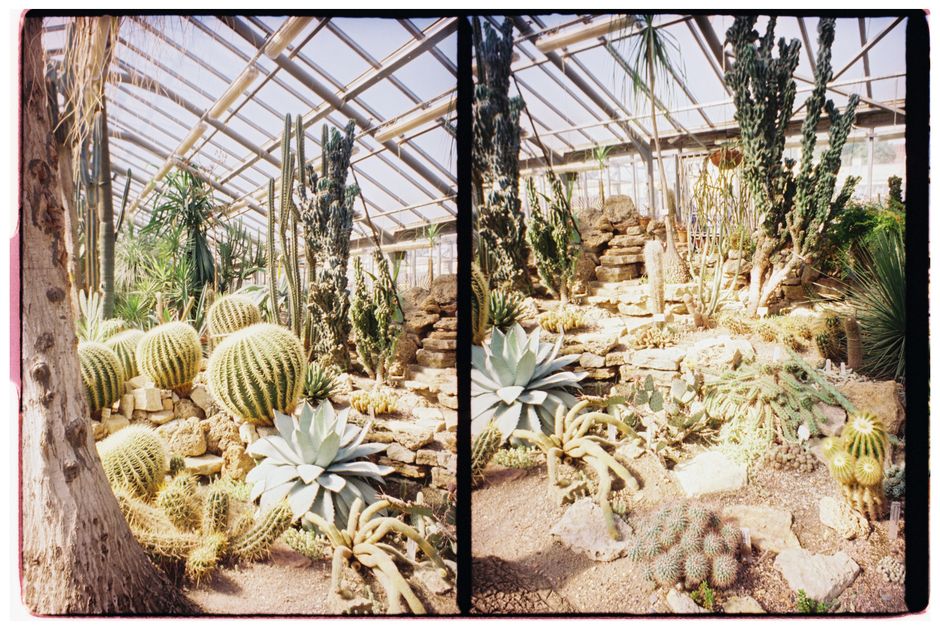
The foundation and floor also play a role in climate control. A solid floor, such as concrete or stone, provides thermal mass and a stable base for staging. However, it can be cold underfoot and may need insulation. Alternatively, a gravel floor can improve drainage and mimic desert terrain, but it may be less comfortable for walking and can harbour pests. Raised beds or containers are often used in desert plant conservatories to ensure good drainage and allow for precise soil mixes. These should be constructed from materials that do not retain moisture, such as terracotta or treated wood, and should be elevated to prevent waterlogging.
Finally, the integration of the conservatory with the existing landscape and buildings is important for both aesthetic and functional reasons. The structure should be positioned to avoid shading from trees or buildings, and its design should complement the surrounding architecture. In some cases, a conservatory may be attached to a house, providing direct access and sharing heating systems. In others, a detached structure may be preferred to isolate the specific climate required. Regardless of the configuration, careful planning and consultation with specialists, such as those at Kew Green, can help ensure that the conservatory meets the needs of both the plants and the owner.